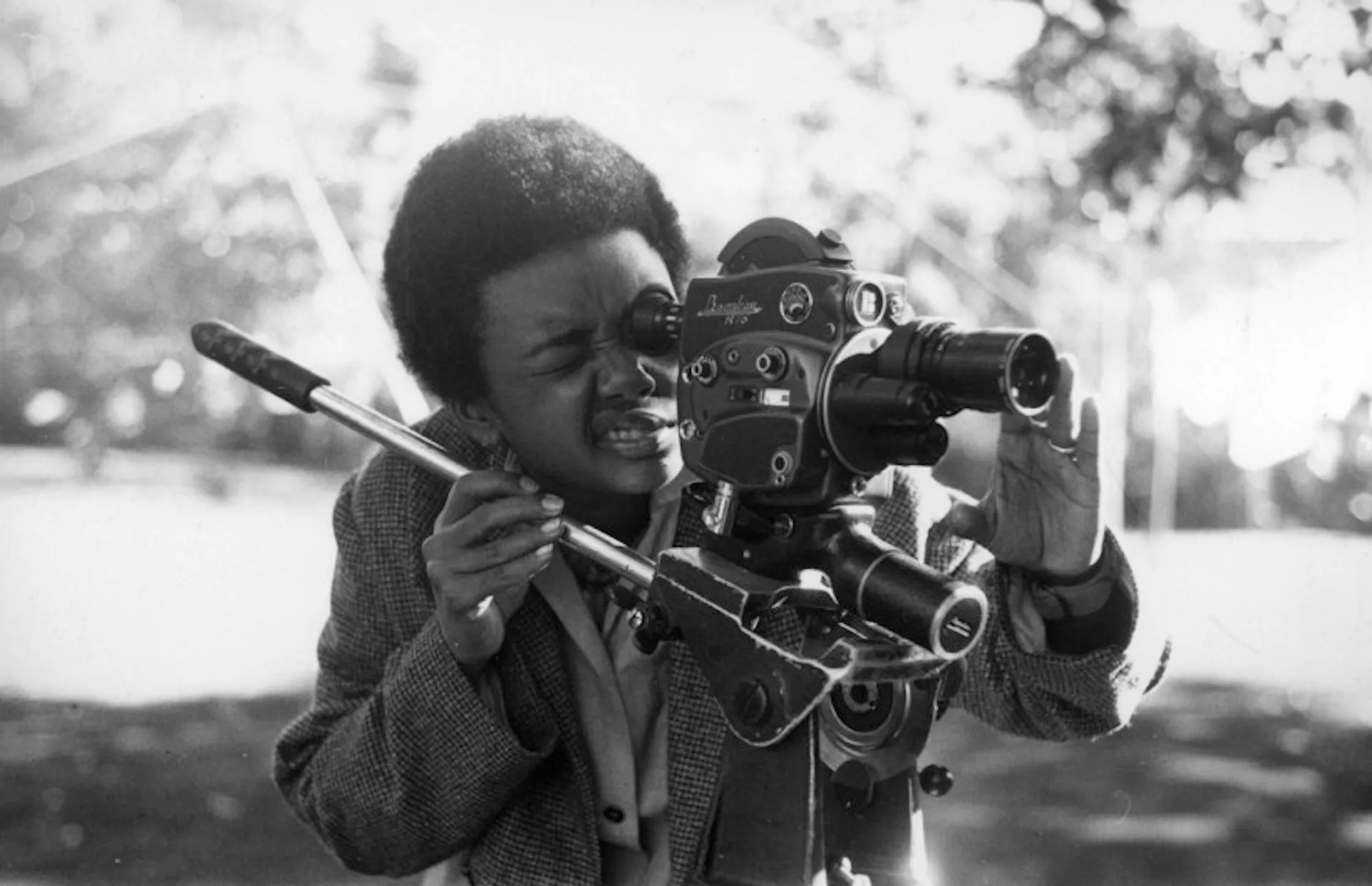
It was Sara Gómez (1942-1974), a young Afro-Cuban director, who made the first feature film directed by a woman on the island of Cuba, titled:
ONE WAY OR ANOTHER (De Cierta Manera, 1974)
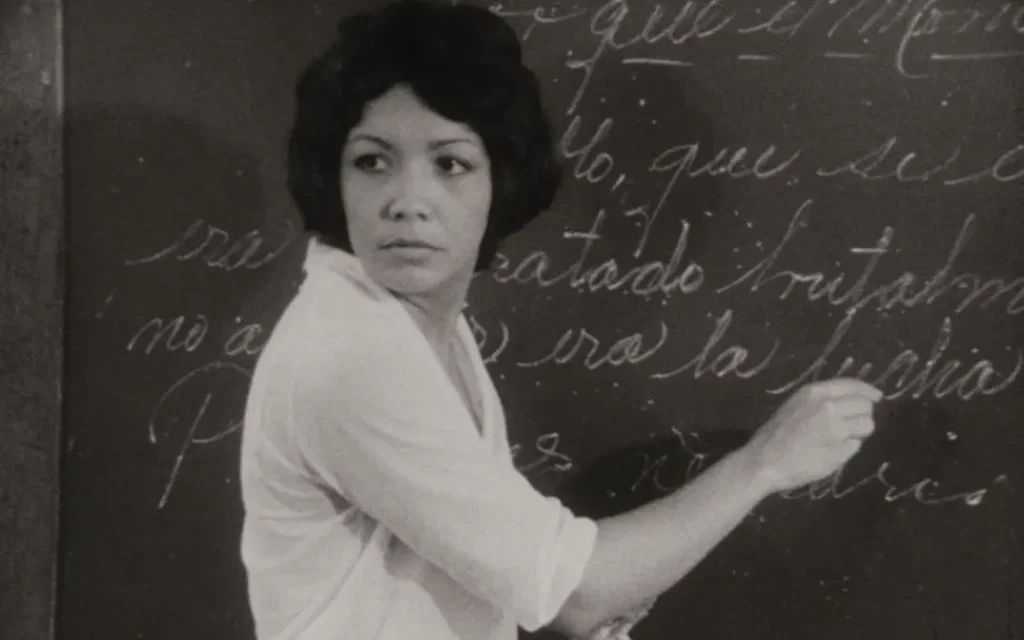
Sara Gómez died very young, but in her short life she created a powerful body of documentary work in the 1960s including titles such as ON OVERTIME (Sobre horas extras), VOLUNTARY WORK (Trabajo voluntario),and THE OTHER ISLAND (En la otra isla). Her films examined the social transformations following the 1959 Cuban Revolution, exploring its influence on people’s day-to-day lives, and revealing complex realities. She used the camera as a tool for transformation and to fight against oppression in all forms.
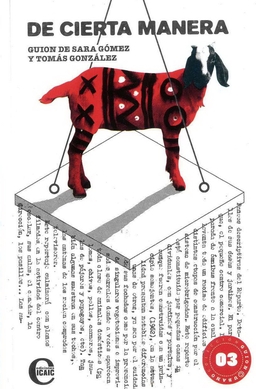
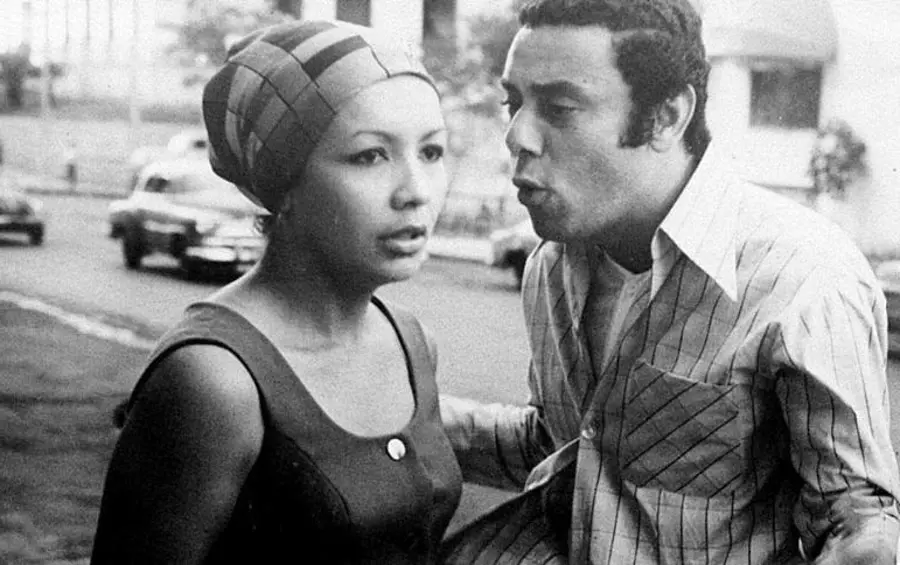
ONE WAY OR ANOTHER is a docu-fiction feature film that follows middle-class teacher Yolanda, who is assigned to work in a newly constructed housing development built on the site of a demolished slum, in order to transform reality and mentality. Yolanda falls in love with factory worker Mario but their relationship is challenged by their different views, values and prejudices.
“Habrá que hacer un cine sin concesiones, que toque la raíz de los intereses de todos, un cine capaz de expresarlos en sus contradicciones y que tenga como objetivo ayudar a hacer a todos nosotros, hombre y mujeres capaces de plantearse la vida como eterno conflicto con el medio en el que solo podemos vencer. Ese debe ser el propósito. ¿Será demasiado ambicioso? ¿Podemos lograrlo?”
“We must make uncompromising cinema, one that touches the root of everyone’s interests, a cinema capable of expressing them in their contradictions, and whose objective is to help all of us, men and women, to see life as an eternal conflict with the environment in which we can only prevail. That must be the purpose. Is it too ambitious? Can we achieve it?”
Sara Gómez
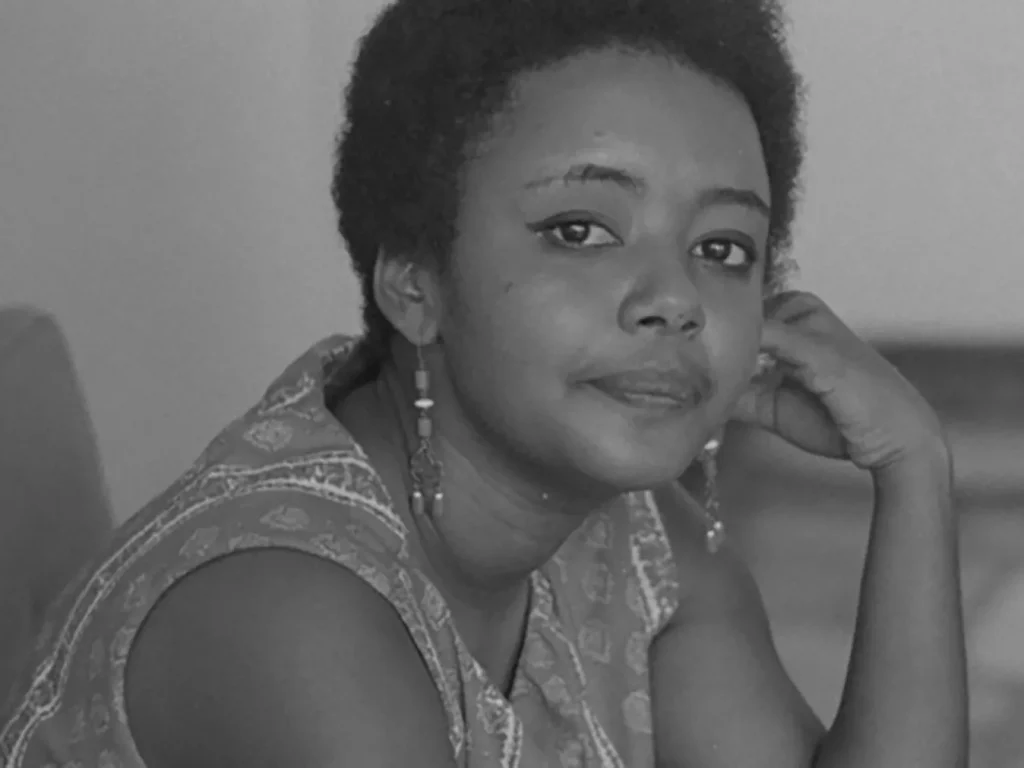
In 2023, VLAFF presented a showcase of Sara Gómez’s films at The Cinematheque. The screenings were introduced by Canadian Dr. Susan Lord (Queen’s University), who has taken a special interest in Gómez’s work and wrote the book The Cinema of Sara Gómez: Reframing Revolution. Lord describes Gómez as “a very brave woman, very ahead of her time in terms of the possibilities of changing the relationships between different social groups.”