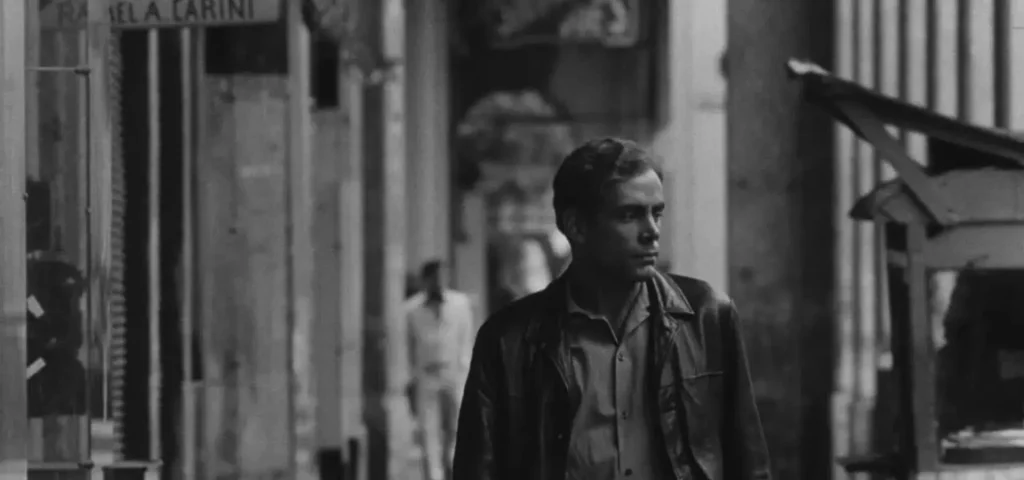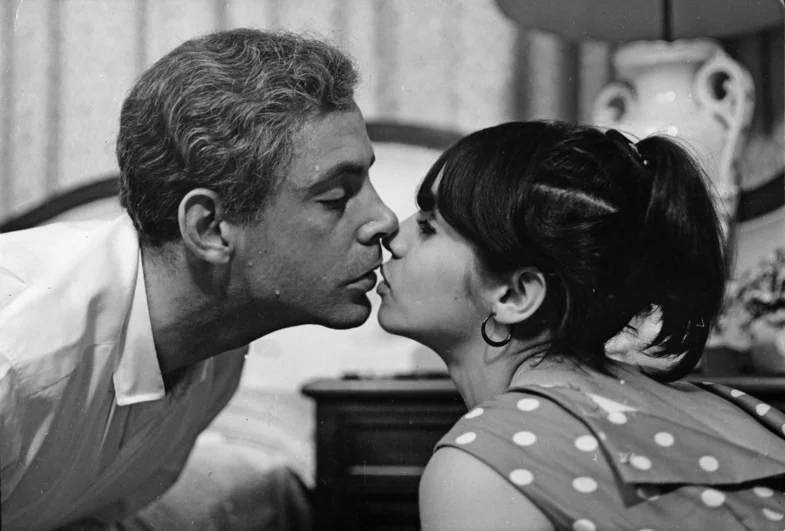
This year’s selection for VLAFF’s Classic Cinema section is director Tomás Gutiérrez Alea’s unwavering masterpiece, Memories of Underdevelopment (1968), a vital film for understanding the early years of the Cuban Revolution through the eyes of a young intellectual, Sergio, who refuses to leave Havana as his parents and wife depart for Miami, amid the upheaval surrounding the Bay of Pigs invasion. What would this character think of our current times? Sergio walks the streets of Havana delivering lines from an internal monologue that have become part of the collective imagination of Caribbean cinema.
“In an underdeveloped society, people need someone to think for them.”
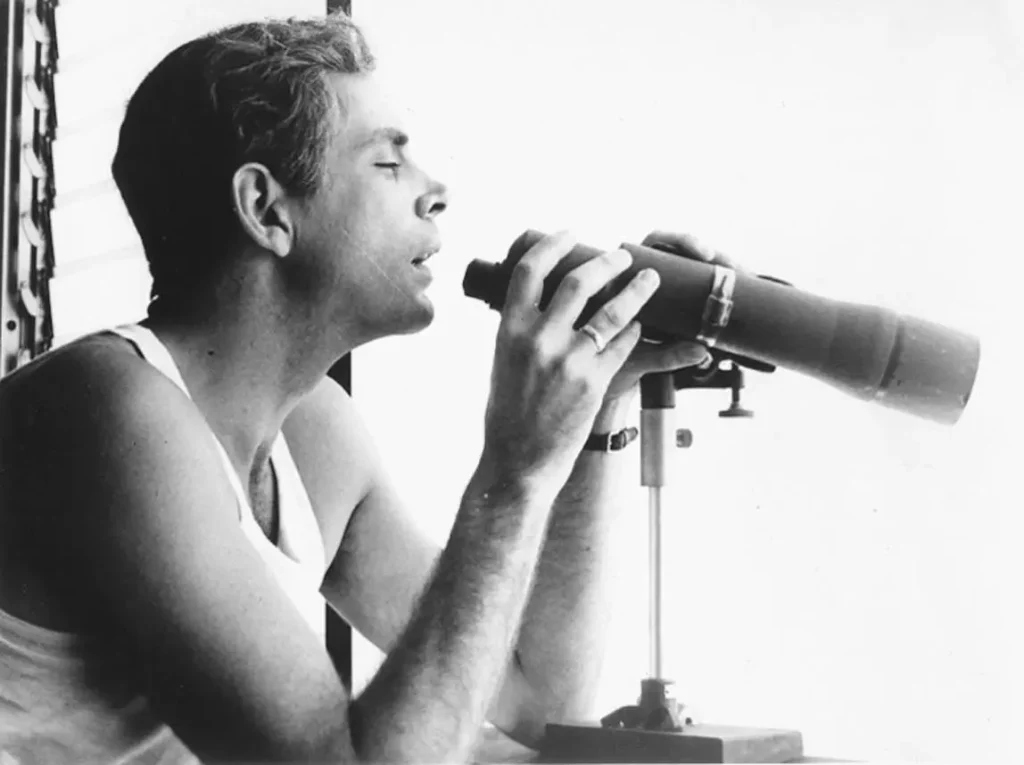
In the words of its director, Gutiérrez Alea, “if the film has any merit, it is the fact that it tends to unsettle the viewer. When the film ends, that’s when it begins to operate in people’s minds; when you leave the cinema, you are faced with another reality that offers contradictions, unresolved questions.”
“How do we escape underdevelopment? Every day I think it gets more difficult.”
Released in 1968, Memories of Underdevelopment is recognized as one of the best films in the history of Latin American cinema and is a milestone of Cuban cinema and stylistic innovation in its portrayal of an intellectual adapting to life after the revolution in a country in transition.
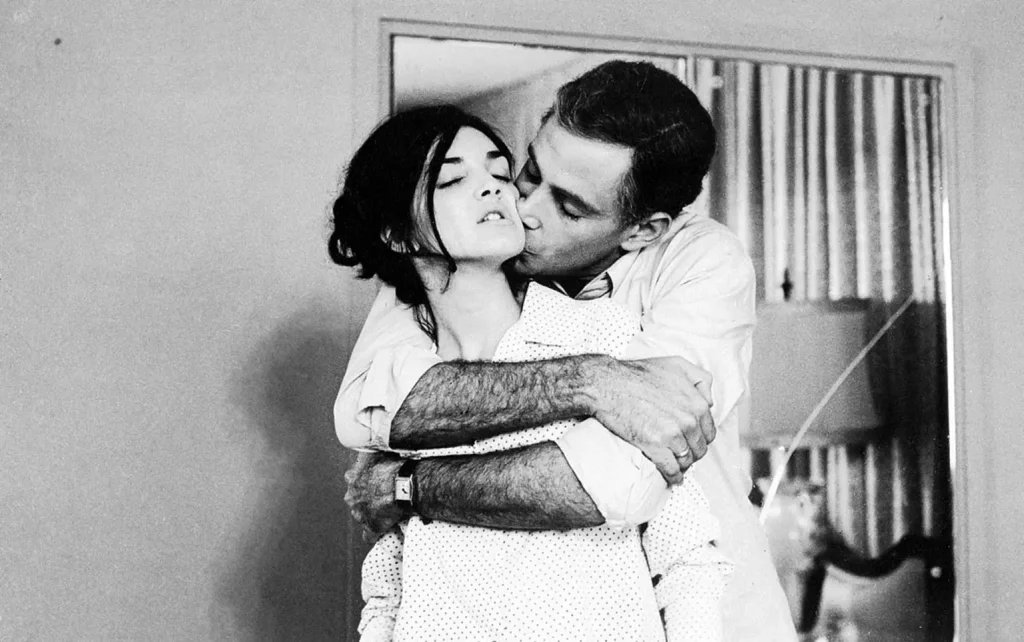
“In underdevelopment, nothing has continuity; everything is forgotten. People are not consistent.”
Based on novelist and screenwriter Edmundo Desnoes’s autobiographical Inconsolable Memories, Memories of Underdevelopment became the first feature-length film from postrevolutionary Cuba to be released in the United States, to high acclaim.
Screening Sept 18 at 4pm, at Cineworks (1131 Howe St – back alley entrance)