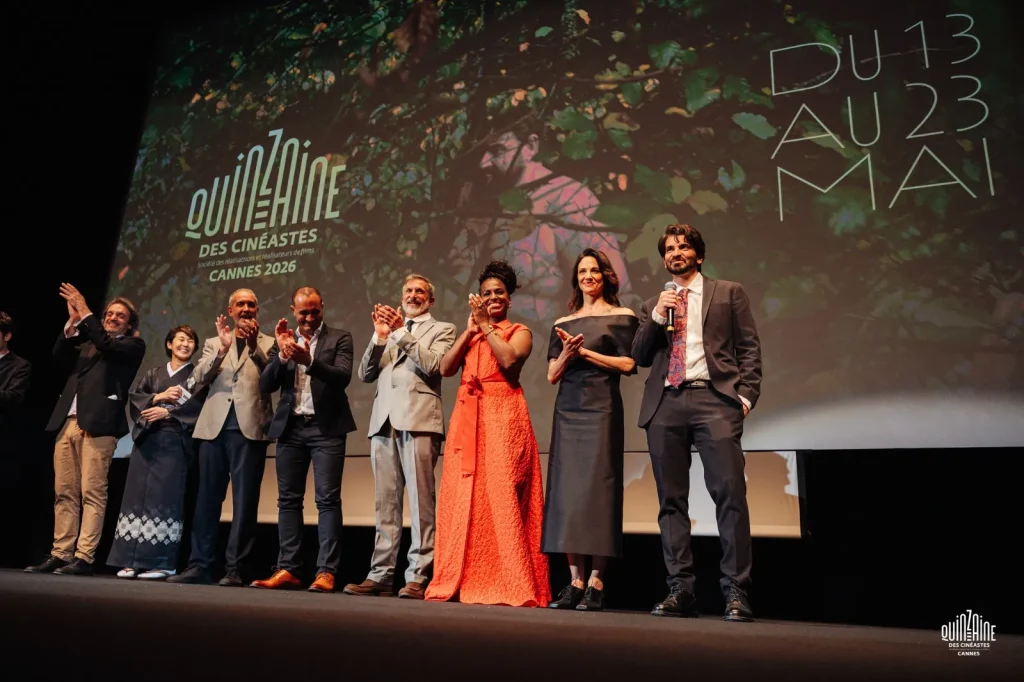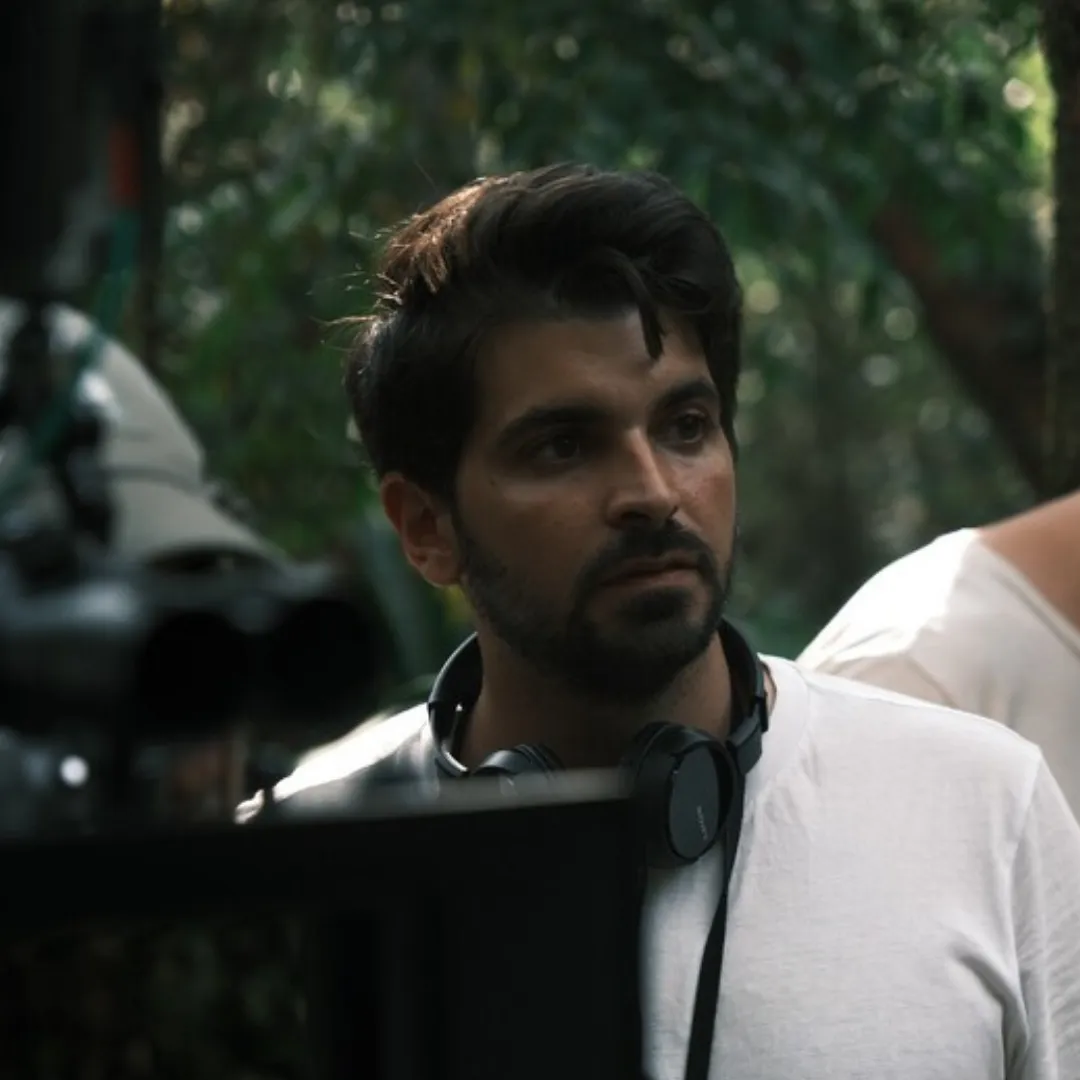
Jorge Thielen Armand is part of the extensive group of Venezuelan exiles whom Canada has received in the last 15 years. On the occasion of the premiere of his 3rd feature film at the Cannes Festival, we chatted with Jorge.
An old acquaintance on the festival circuit, Jorge’s work has undoubtedly greatly enriched the panorama of Latin-Canadian cinema, and of course also Venezuelan cinema. Jorge has returned this year to the ring, with a Canadian film, and a very Venezuelan one.
To put his cinema in context, Jorge’s debut feature, La Soledad (2016), premiered at the 73rd Venice International Film Festival and was awarded 14 times at more than 50 festivals, including the Audience Award for Best Film at the Miami Film Festival and the French Critics’ Union Award at the Biarritz Amérique-Latine Festival. His second feature film La Fortaleza (2023) premiered in the Tiger Competition of the 49th International Festival of Rotterdam, followed by world-class festivals such as Busan, Guadalajara, Gijón, and Cairo.
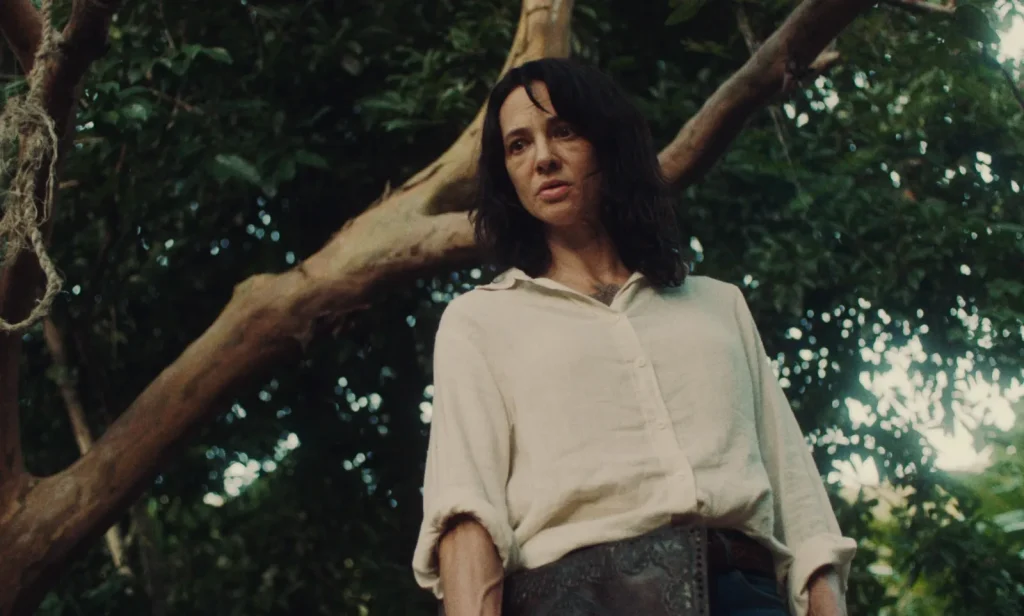
His third feature film, Death Has No Master (2026), which received support from the Canada Council for the Arts, premiered this year at the Directors’ Fortnight at the Cannes Film Festival. It is worth mentioning that this year VLAFF presented the short film Pasta Negra, a 15-minute Venezuelan-Canadian work, directed by Jorge, which premiered at the Sundance Festival.
Jorge chatted with us from Brazil, where he presented DEATH HAS NO MASTER, at the 50th Mostra de São Paulo.
What is your relationship with Canada, your early years?
I arrived in Fredericton, New Brunswick in 2008. There I did my first two years of university at St. Thomas University in the Liberal Arts program. I then transferred to Concordia University in Montreal, where I graduated in Communication Studies in 2012. I was fortunate to have filmmaker Rick Hancox as a teacher, whose work informs all of my work from then on, particularly the involvement of his body in how he approached his projects, and how that affects the narrative in his films. In practical terms, my relationship with Canada has been very marked by an immigration limbo that was not easy to resolve. Without the permanent resident card, I was excluded from any aid or film programs and, in a way, that exclusion encouraged me to make films in Venezuela.
What has it been like – as a Latin-Canadian filmmaker – to produce your works in Canada, but looking at the stories from Venezuela?
The condition of exile defines all my work, covering production and theme. At some point, I realized that the disadvantage of being a migrant in Canada was actually my strength. I founded the production house LA FAENA together with my friend Rodrigo Michelangeli, also a Venezuelan living in Canada, with the purpose of not depending on others and being able to make our films. Eventually the immigration issues were resolved and now Canadian aid is precisely what allows us to continue our work. Things in the Canadian film industry have also changed, fortunately. Before it seemed impossible to create projects that were not in English or French, but now the institutions are more open to these types of films. The truth is that I owe Canada a lot, without the support of the institutions here I don’t think I would be able to dedicate myself to cinema.
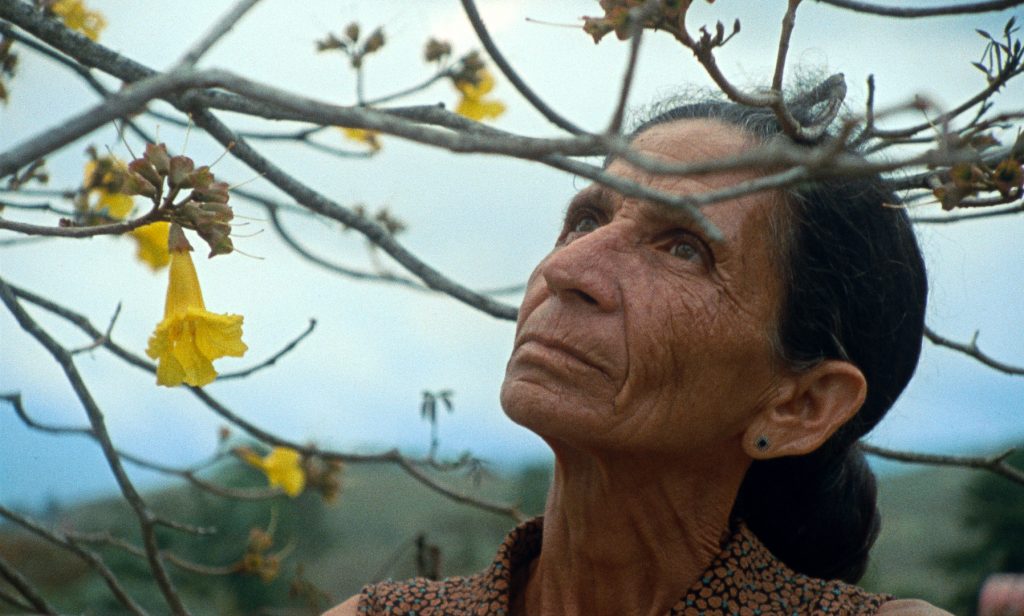
Your recent films, such as your short film Pasta Negra (left) and Death Has No Master, speak in unusual ways about current life in Venezuela. Where does your interest in genre cinema come from and how do you think this format influences the topics you touch on?
I’m not interested in genre cinema as such. I’m interested in cinema without laws. I work on my films intuitively, letting my experiences during the process affect all aspects of the film and the story. That’s why some of my films are difficult to categorize. In the case of Death Has No Master there are certainly gothic and other genre elements, but I can’t say that it was entirely intentional. The people, the places, and the film itself took me there.
What projects are you currently developing?
I’m writing several film projects now. Together with Mo Scarpelli and Andrés Figueredo, I am also developing an art center in Caracas; a centrifuge of thought and inspiration for filmmakers. There is much to rebuild in Venezuela.
Do you have plans to make films in Canada?
Yes, I am writing a film called This Place So Hostile with which we got development help from TeleFilm Canada. It is a triptych of three characters, to be filmed between New Brunswick and Ontario; a film about how the desire for progress in Canada produces exiles within the country itself.